

Overthinking? Overwhelmed? Try this simple drawing exercise
Meditative drawing to quiet self-doubt and soothe your perfectionist mind

Scribbling Away My Own Frustration
On day 4 of #the100dayproject with Lindsay Jean Thomson, I found myself at a loss. It was late, my head felt like it had been stuffed with cotton wool due to a nasty cold and I was exhausted.
Even simple zen doodles felt like too much - too rigid, too tight, too small. I was feeling so frustrated and honestly, I just wanted to throw the pen across the page.
So I did. Kind of.
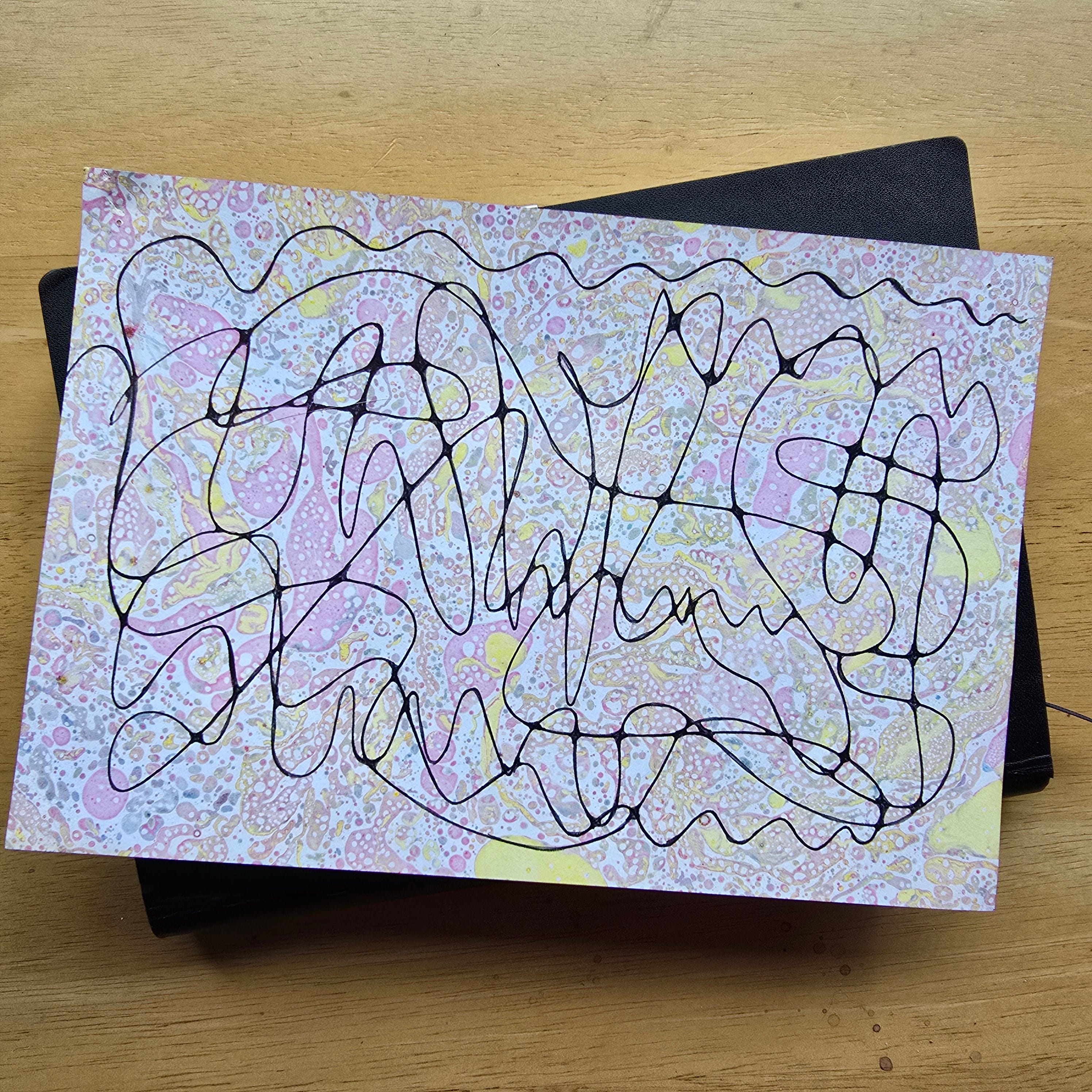
I let my frustration spill onto the page in a chaotic scribble. You can see that the lines are chaotic and messy - that’s how I felt. But as I began to soften the sharp corners with gentle curves, I noticed that my frustration and ‘sharpness’ began to soften too. The overwhelm felt quieter and the tension eased.
It’s still a chaotic and imperfect drawing, but the finished piece is no doubt softer and smoother than when I started (wished I’d remembered to take a before pic!) and there’s no doubt that I felt a bit softer and calmer too.

How Does Neurographic Art Work?
Developed by psychologist Pavel Piskarev, neurographic art is based on the idea that expressing our feelings as free flowing lines and softening their intersections, allows us to visually process our emotions - a bit like working through them in therapy or journaling.
The great thing about it, is that it’s really simple and accessible - you only need a pen and paper. And you don’t even need to be remotely creative or ‘good at drawing’.
The best part? There’s no way to mess it up or fail (perfectionists, I see you). It isn’t about creating something that looks nice, it’s about giving yourself permission to express whatever you’re feeling inside. There’s no right or wrong, there’s no rules and there’s no pressure. Your inner critic and perfectionist parts can step back and take a break.
Drawing lines that represent our emotions is a way of externally expressing what’s happening inside us. It creates distance from overwhelming feelings, making them easier to process and it transforms abstract, internal experiences into something tangible which enables us to acknowledge, reframe and soften what might feel sharp, spikey or stuck.
How to do it:
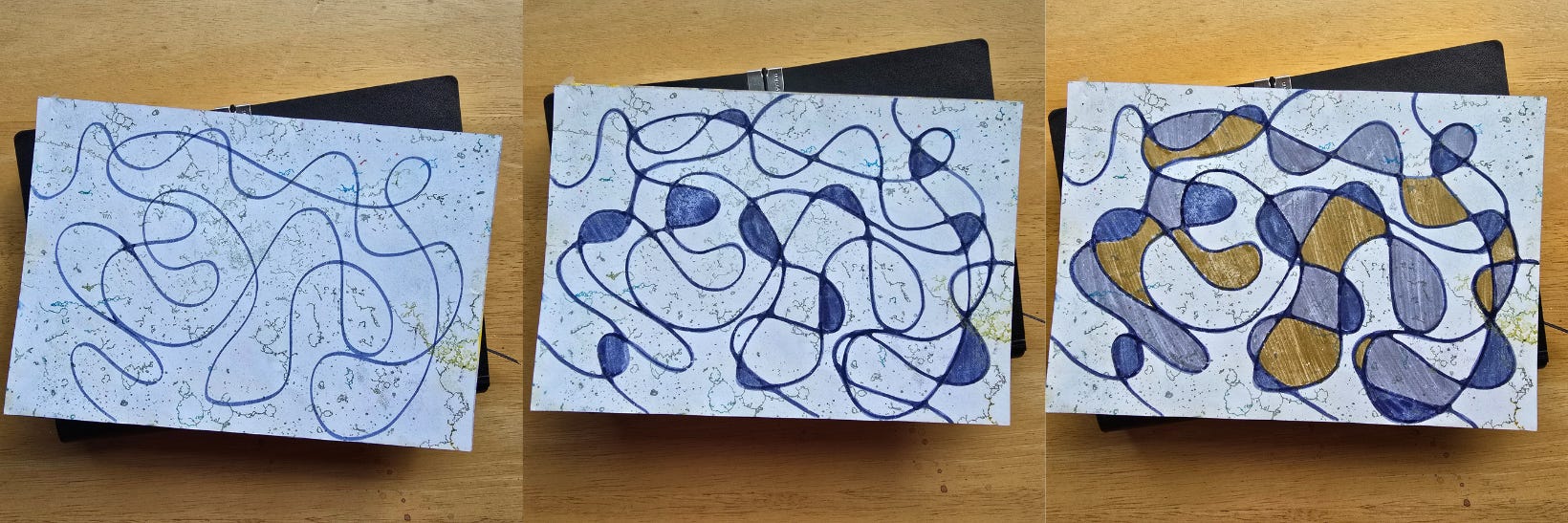
Start with a scribble – Draw a few loose lines across the page. Don’t overthink, just let your hand move however it wants.
Soften the edges – Anywhere two lines meet at a sharp angle, round it off. This represents smoothing emotional ‘edges’ and creates flow.
Expand with intention – Add more shapes, lines and colours as you feel drawn to. Notice what emotions come up and how your drawing transforms. Allow the process to be meditative and mindful.

Why You Should Try It (especially if you're an overthinker)
Neurographic art isn’t about creating a masterpiece - it’s about shifting your mind and perspective into a different space. The act of smoothing out those sharp intersections mirrors what we do internally when we process emotions - except this technique can help accelerate that internal process a little. It’s a visual way of working through emotions, bringing a sense of calm and clarity.
For those of us who struggle with overthinking or feeling ‘stuck in our heads’, this practice offers a way to move through emotions rather than getting tangled in them. It helps create a little breathing room between ourselves and our feelings.
And it’s not just for the spiky, difficult emotions either. Neurographic art can be a way to check in with yourself - similar to journalling, to notice what’s beneath the surface and to work it out on paper. It’s a practice in tuning in and letting go.
At it’s core, it’s a calming, mindful practice that you can use to slow down your thoughts. So, whenever you’re in need of grounding or you need a moment of peace, just grab your pen and let the lines flow.
Top Tips for Getting Started
Check in with yourself first – Do a quick body scan. Where are you holding tension? What’s your “internal weather” like today?
Let go of the need for it to ‘look good’ – There’s no wrong way to do this. If it feels hard to start, set a timer for 5 minutes and just move your pen.
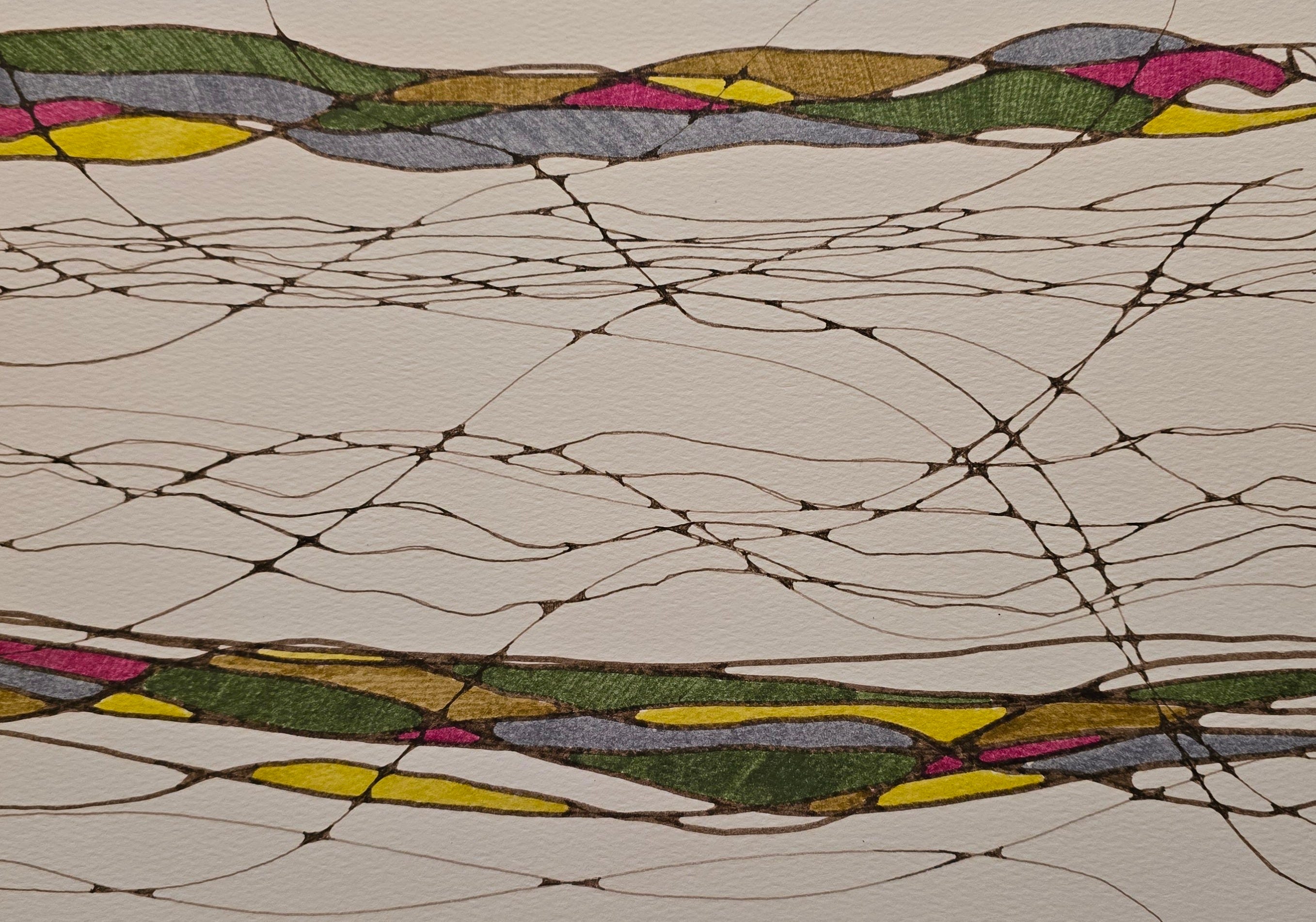
Let your intuition lead - Don’t overthink. Choose colours and shapes that you’re drawn to (try not to question or judge!)
Add words, patterns, or doodles – Play, experiment and see what happens.
Need inspiration? Search ‘neurographic art’ on Pinterest or Google Images. Your only limit is your imagination.
Keep your drawings! Looking back on them can reveal patterns in your emotions and deepen your self-awareness. Over time, you might start noticing how you experience and express different emotions and that kind of insight and understanding is powerful!
If you’ve been feeling stuck in your head, weighed down by perfectionism or overwhelm, why not give this a try? Grab a pen, let the lines flow and see what happens. You might just find a little more ease and a little more calm.
Wishing you calm and smooth weekend!
Amy 🍂
Some inspiration I’ve grabbed from Pinterest 👇
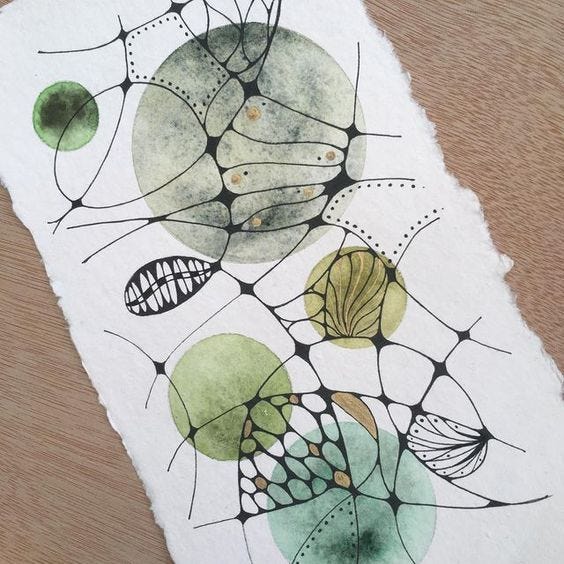
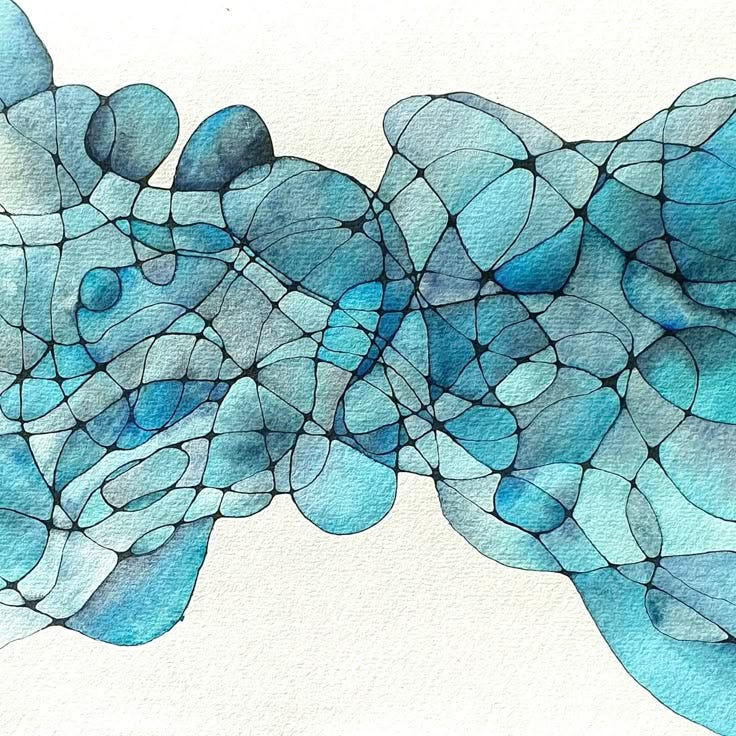
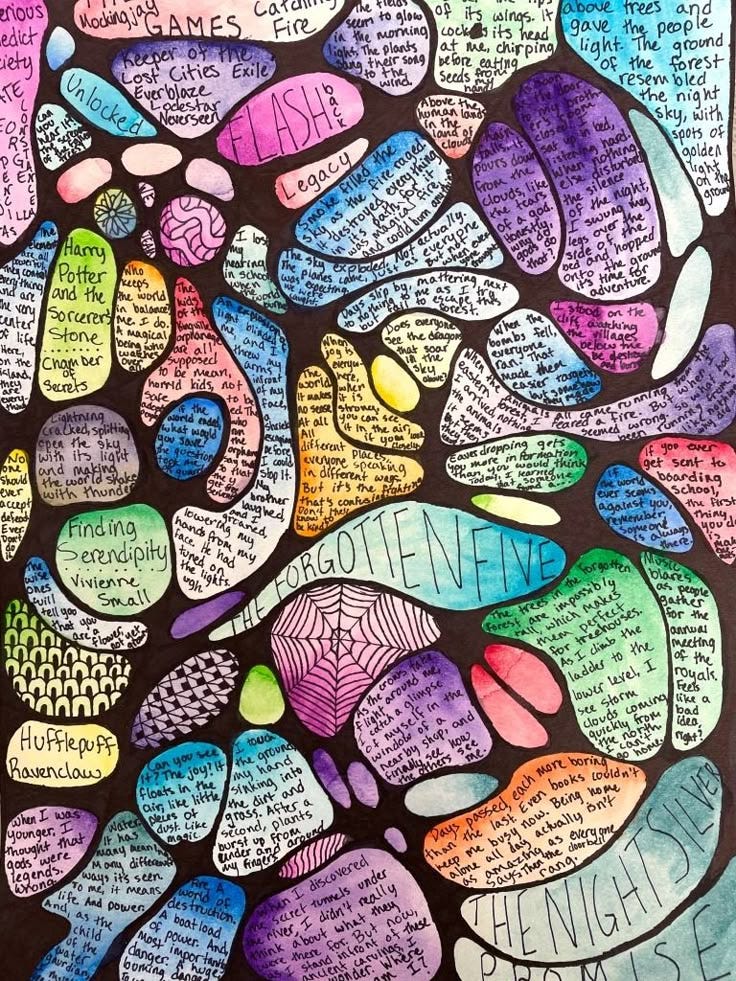
I’m no artist, but some of these are beautiful! I might be tempted to try it 🖊️
I'd forgotten about this practice - I adore it! Thanks for sharing and reminding me. It's something I used to do when I felt stressed before I even knew what it was or what it was called. And I love the results that it creates. ❤️